
Soft Skills for Software Developers: 10 Skills with Real Workplace Examples

Two developers on the same team write equally good code. One of them leads the next project; the other is still waiting. The difference is almost never technical. It’s how they explain their ideas, handle a disagreement, give an estimate, and react when production breaks. Those are soft skills: the personal skills that let you work well with other people.
Lists of soft skills are everywhere. This post shows what each one looks like on a real working day, with words you can reuse.
1. Communication
The most important audience for a developer is often not another developer. Managers and clients decide what gets built, and they think in time, money and risk, not in layers and frameworks.
The situation: the code that handles payments has become hard to change, and you need two weeks to clean it up.
- Instead of: “We need to refactor the persistence layer.”
- Say: “Adding a new payment method takes three weeks today. After two weeks of cleanup, it will take three days.”
The second version gives the manager what they need to decide: what it costs and what they get. Communication also means listening: before you answer a question, make sure you understood it. “Do you mean the invoice export or the invoice API?” saves hours of work on the wrong thing.
2. Problem-Solving
When something breaks, the developers who guess and change code at random take the longest. A method works better:
- Reproduce the problem reliably.
- Isolate it: which input, which environment, since which release?
- Form one hypothesis and test it.
- Fix the cause, not the symptom, and add a test so it can’t come back.
Clean code makes every one of these steps faster, because you can read what the code does. See Best Practices for Writing Clean Code.
3. Teamwork
Code reviews are where teamwork is visible every day. The same remark can help or hurt:
- Instead of: “This is wrong.”
- Say: “Could we extract this into a method? It would make the test easier to write.”
Comment on the code, not on the person, and explain why. And when you’re the one being reviewed, thank the reviewer for the bug they found; they just saved you from a production incident.
4. Adaptability
Technologies, requirements and team members change constantly. Adaptability doesn’t mean chasing every new framework. It means learning what the project needs without slowing the team down.
The situation: your team moves from REST to messaging for one service. Instead of waiting for training, build a small prototype, share what you learned in a 15-minute session, and ask the colleague who knows the technology to review it.
5. Time Management and Estimates
Estimates are where trust is won or lost.
- Give ranges, not single numbers: “Three to five days. The risk is the integration with the supplier’s API, which I haven’t seen yet.”
- Say early when a task will be late. A manager can plan around “This will take two more days” on Tuesday. They can’t plan around it on Friday afternoon.
- Break big tasks into small ones before you estimate. Read how to break down a software project into tasks.
6. Attention to Detail
Most bugs that reach production were visible earlier: an unhandled null, an empty list, a time zone, a missing permission check. Before you open a pull request, go through a short checklist:
- What happens with empty, very large or invalid input?
- Are the error messages useful to the person who will read them?
- Did I update the tests and the documentation?
7. Creativity
In software, creativity is usually not about inventing something new. It’s about finding the simpler solution: the existing library instead of new code, the configuration change instead of a new service, the question to the business that makes a feature unnecessary. The best code is often the code you didn’t have to write.
8. Emotional Intelligence
Production is down, the client is calling, and someone asks, “Who deployed this?” Emotional intelligence is staying calm, focusing on fixing the problem first, and discussing causes later, without blame.
It’s also how you take criticism: a review comment on your code is not a comment on you. Ask questions until you understand the point, then decide whether you agree.
9. Leadership and Mentoring
You don’t need a title to lead. Pair with a junior developer on a difficult task, and let them type. Write the onboarding document you wish you’d had. Propose one improvement to the team process at the next retrospective, and volunteer to try it.
10. Negotiation
When a stakeholder asks for more than the time allows, a flat “no” ends the conversation, and a silent “yes” ends in overtime. Offer options instead:
“We can’t deliver all five features by the 1st. We can deliver the three most important ones by the 1st and the other two two weeks later, or all five by the 15th. Which works better for you?”
You’ve turned a conflict into a decision, and the person who owns the decision makes it.
How to Practise Soft Skills
Soft skills improve with practice, like coding:
- Write a short design document before your next feature, and ask a colleague to review it.
- Present your work at the sprint demo, to an audience that isn’t technical.
- Review code regularly, and reread your comments before you send them.
- Ask for feedback: “What’s one thing I could do better in meetings?” Most people will give you an honest answer if you ask a specific question.
Soft Skills in Job Interviews
Most technical interviews include behavioral questions such as “Tell me about a conflict with a colleague” or “Describe a project that went wrong.” Interviewers want a real story, and the STAR method keeps it short and complete:
- Situation: the context, in one or two sentences.
- Task: what you were responsible for.
- Action: what you did, not what the team did.
- Result: the outcome, with a number if possible, and what you learned.
Example: “Our release was planned for Friday, but on Wednesday we found that the supplier’s API returned prices in a different currency (S). I was responsible for the integration (T). I told the project manager the same day, proposed releasing without the price import and adding it the following week, and wrote the currency conversion with tests (A). We released on time, the import followed five days later, and since then we validate supplier data in a test environment before every integration (R).”
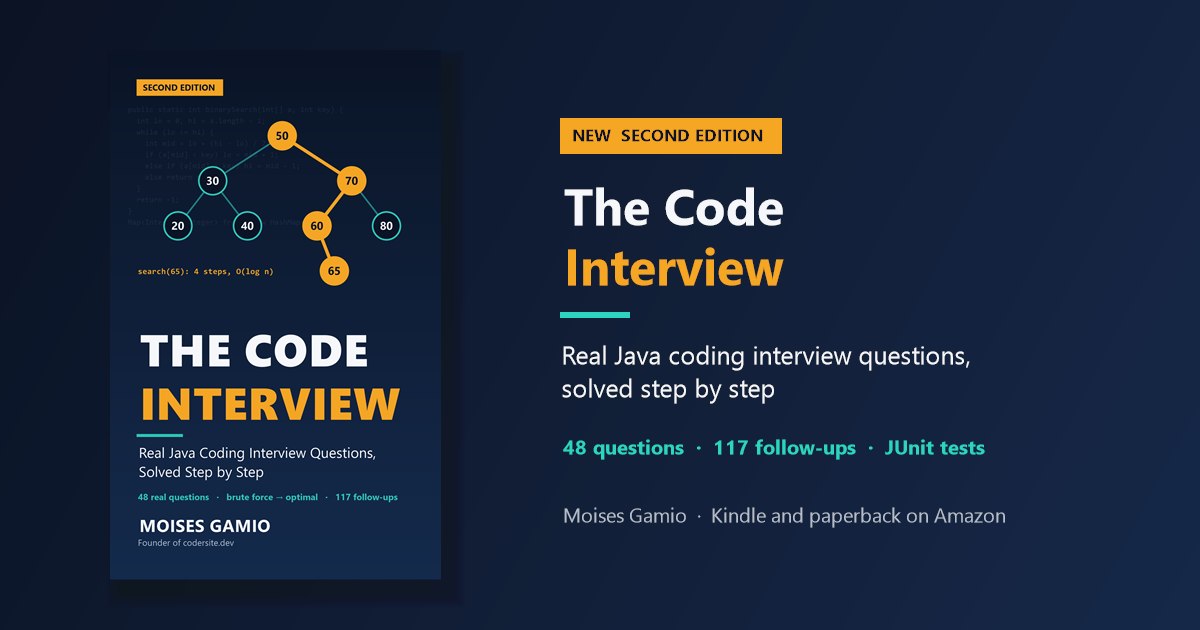
Behavioral questions are only half of the interview; the coding round is the other. Prepare both:
Soft Skills Complete the Design Skills
Good design and good communication go together: the best design is useless if you can’t explain it to your team and defend it in front of your manager.
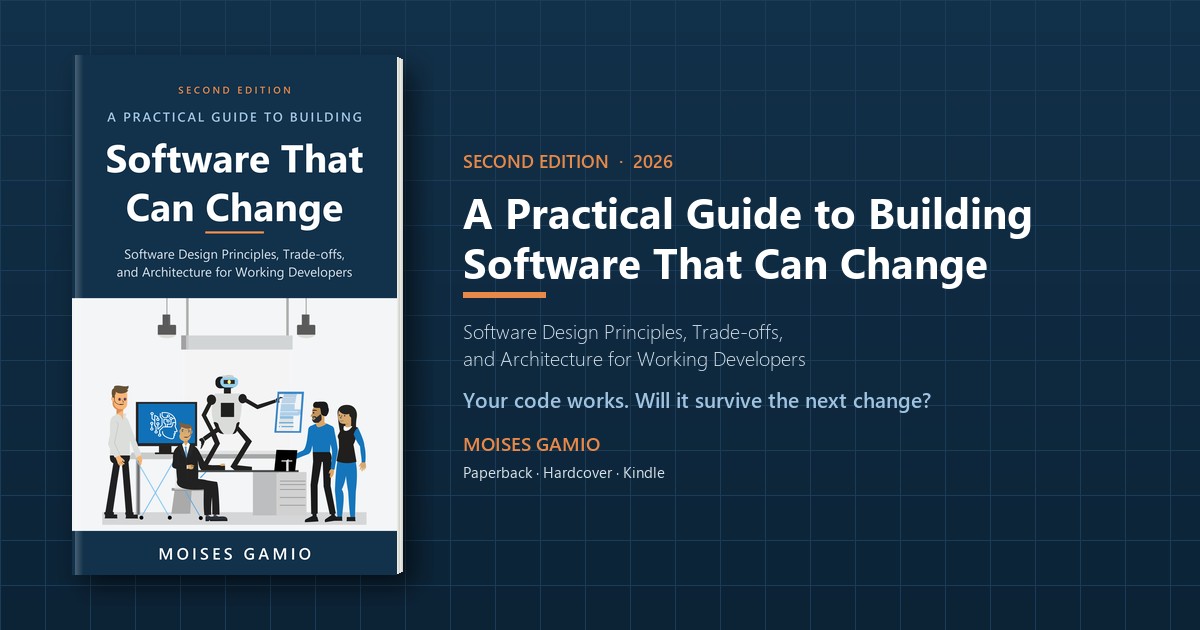
That’s why my book Software Design Principles doesn’t stop at code. Next to DRY, KISS, YAGNI, SOLID, UML and clean code, its chapter on soft skills covers communication, problem-solving, teamwork, adaptability and time management: the habits behind a good career.
Not sure yet? Read the first chapters free, no signup needed.
Please support me as a writer. Every contribution helps, and your donation can help add more articles to this website, no matter how small. Thank you!